
A Mosaic of Sacred Customs and Festivities
As the vibrant streets of Ecuador come alive with colours, music, and age-old customs, Semana Santa emerges as a cornerstone of Ecuadorian culture. This sacred week preceding Easter Sunday serves as a powerful testament to the nation’s deeply rooted Catholic heritage, intertwining centuries-old religious traditions with indigenous rituals. Join us on a journey through the heart of Ecuador as we explore the rich tapestry of traditions and festivities that define Semana Santa, along with a culinary masterpiece that embodies the spirit of this auspicious occasion.
Traditions and Festivities
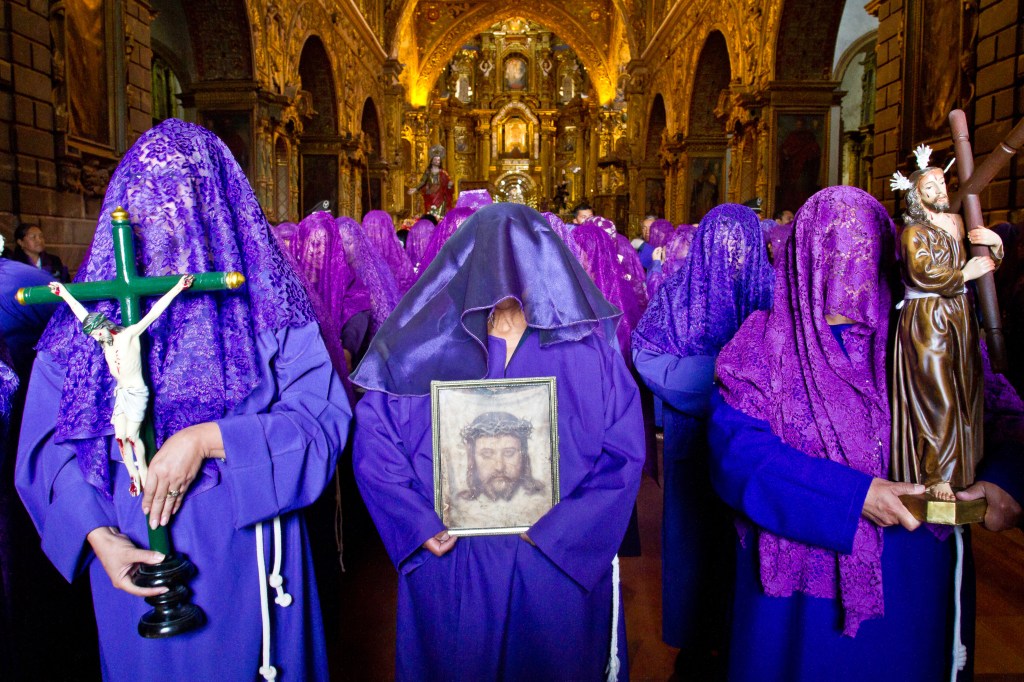
The majority of Ecuadorian identify themselves as Catholic a sentiment particularly evident during Holy Week (Semana Santa in Spanish). In Ecuador, Holy Week occurs a week before Easter Sunday and deals with the commemoration of the Passion, Death, and Resurrection of Jesus Christ. The first three days following Domingo de Ramos, followers observe several different moments leading up to Jesus’ death, such as his anointment, the prediction of his own death and his betrayal by Judas. Following these three days, Holy Thursday celebrates the Last Supper. Good Friday commemorates the crucifixion of Jesus and, lastly, Holy Saturday lasts until Resurrection Sunday – at which point Easter begins.
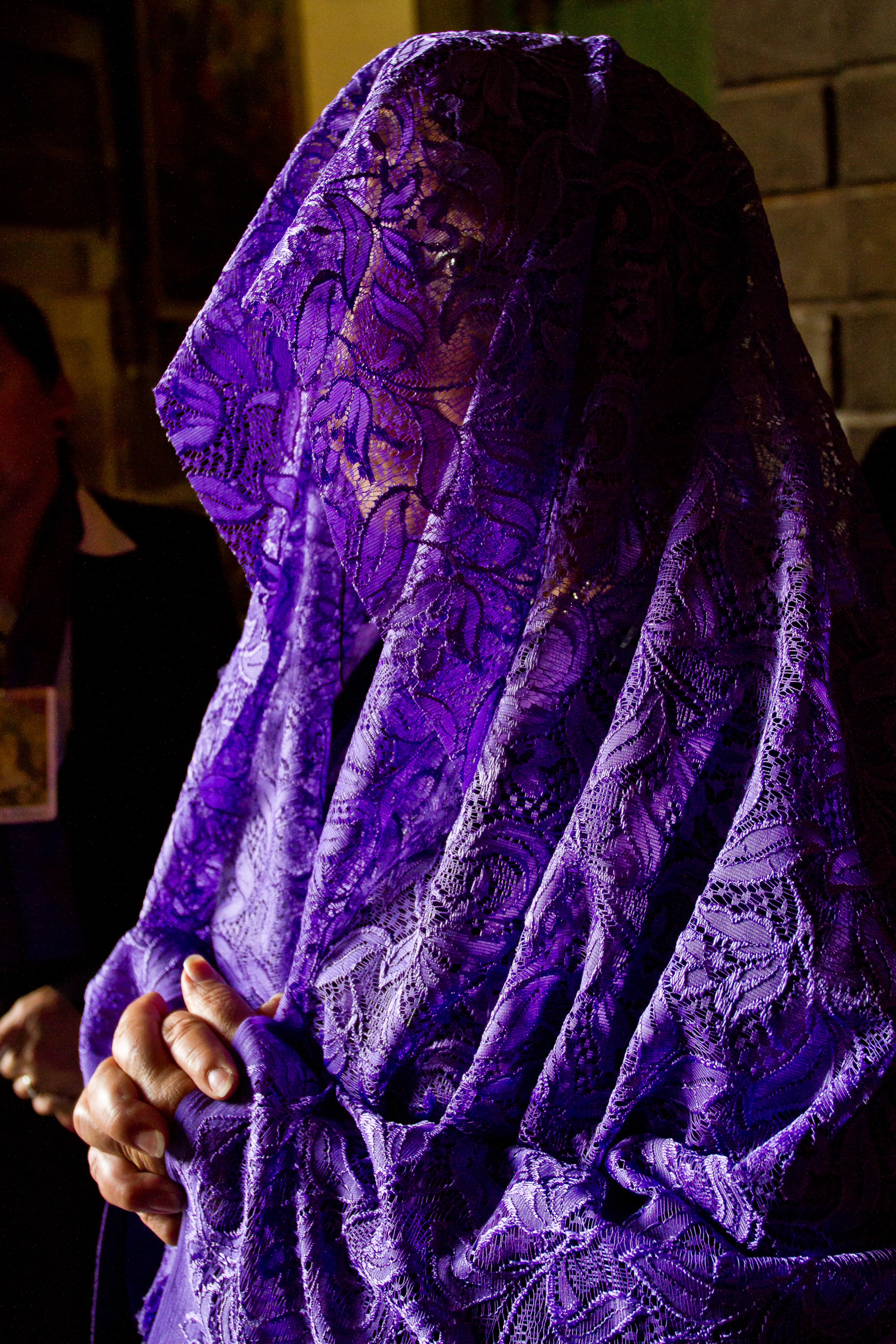
It’s noteworthy that due to Ecuador’s indigenous history, many Semana Santa traditions are a fusion of Spanish customs and ancient indigenous practices.This unique blend infuses the commemoration of these religious events with vibrant Andean colours, music, and folklore.
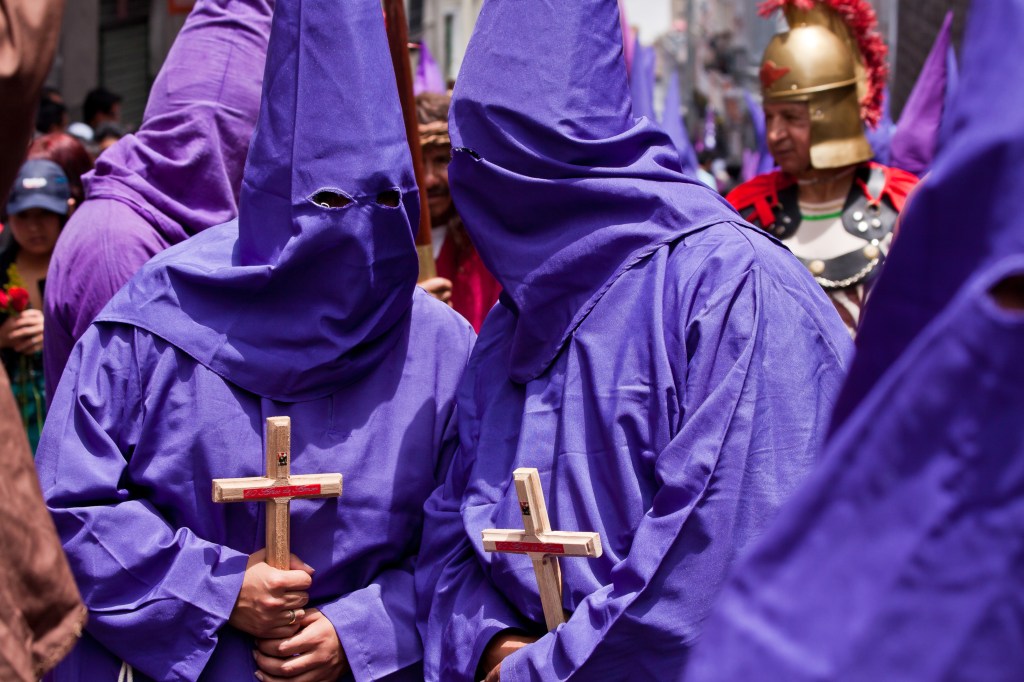
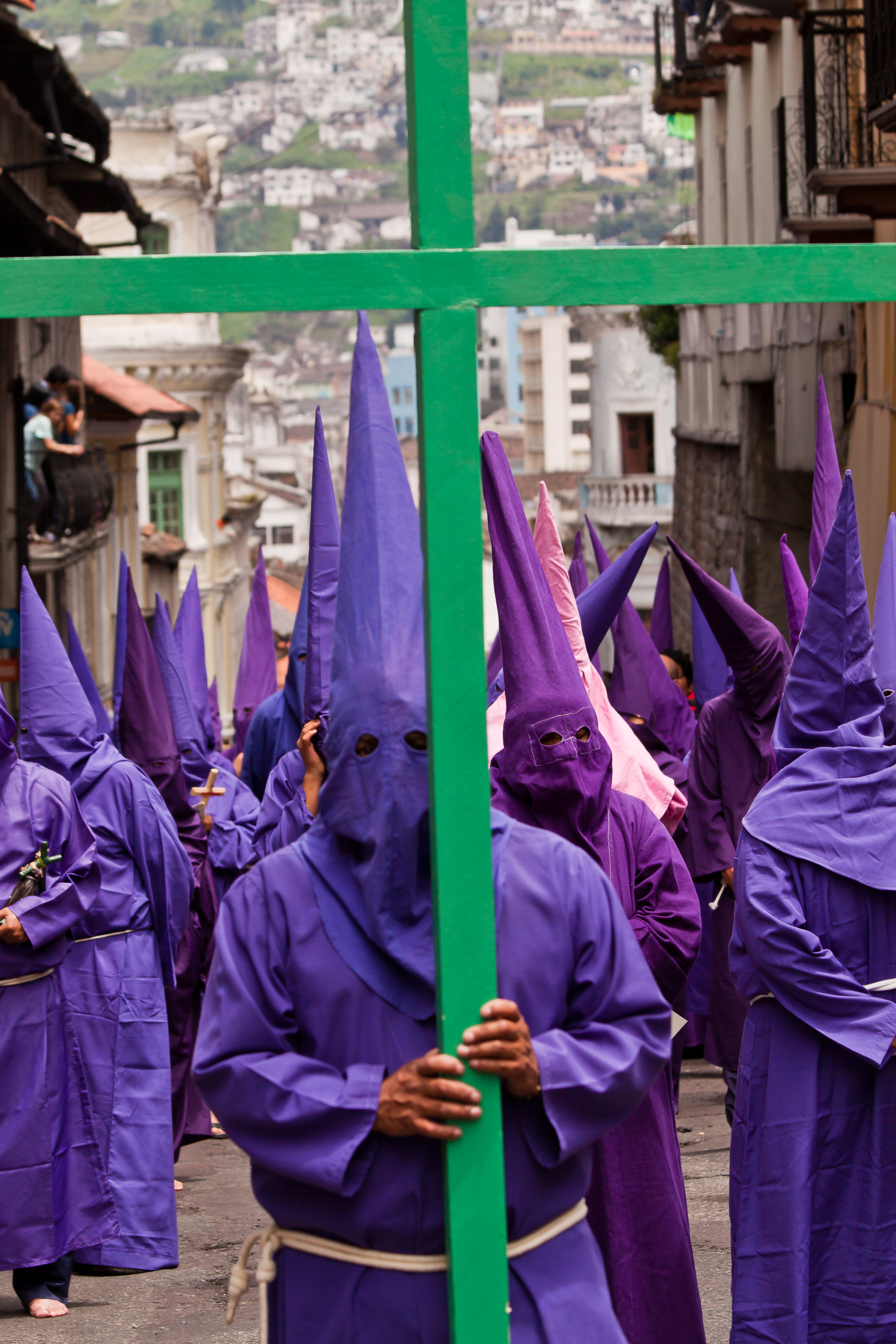
One of the most prominent Semana Santa events during Semana Santa is the Jesus del Gran Poder procession in Quito, which gathers 250,000 people coming to see the penitents (people dressed in purple robes and pointed hats), also known as ‘cucuruchos’. They carry life-size crosses and walk on the streets of the Historic Centre of Quito. These traditional events are deeply ingrained in Ecuadorian identity, serving as a means for Ecuadorians to express themselves culturally.
Fanesca: Nourishing Ecuador’s Soul with Centuries of Flavour and Tradition
Fanesca is a seasonal dish that combines indigenous and colonial religious traditions. The soup Ecuadorians eat at Easter is also called ‘Ushucuta‘. This dish marks the end of the abstinence and fasting of Lent and Holy Week. It contains twelve grains, each mixing Catholic symbols with indigenous rituals.
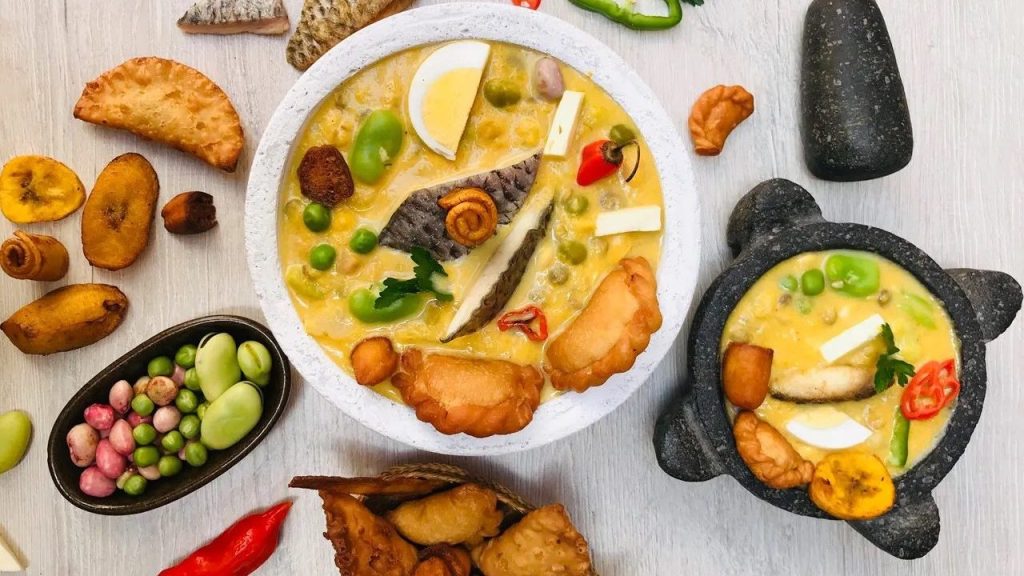
A well-known theory is that fanesca is a soup prepared to commemorate the Last Supper. It consists of 12 different grains (meant to represent the 12 apostles), salt codfish (symbolising Jesus), and is prepared with milk. Considered as a heavy meal by some, the soup is also served alongside hardboiled eggs and miniature pasties. Various theories exist regarding the origins of fanesca. One legend suggests that Spanish colonisers hired a French chef to prepare a dish that can serve as penance, the condition was that the dish is “heavy”. Another tale attributes the invention of fanesca to a woman named Juana, who served the dish in a monastery in a Quito monastery. According to this story, when the soup was created, it was called ‘Juanesca‘ before evolving into its current name.
Despite these theories, the most widely accepted story hast its origin in pre-Hispanic times, from an indigenous tradition to celebrate ‘Mushuc Nina‘ or New Fire Day. This ritual celebrates the time of flowering and rebirth through the sun, as an element that provides energy to the community and marks the beginning of the new Andean year, according to official information from the Ministry of Tourism of Ecuador. ‘Uchucuta‘, the Quichua name for soup, means tender grains cooked with chili pepper. Fanesca retained its indigenous essence and origins with tender grains, while additional ingredients such as dairy and fish were incorporated over time.
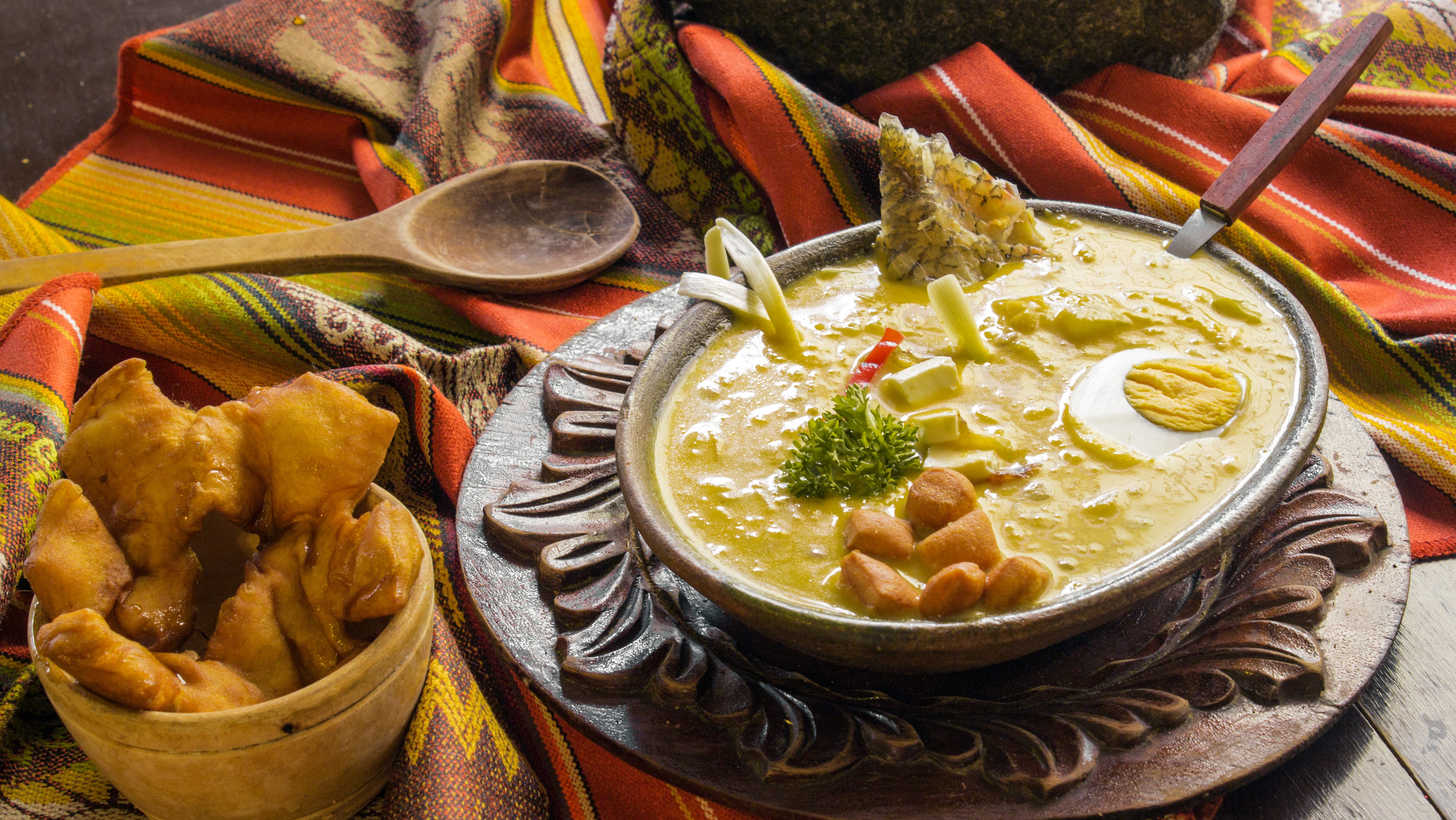
Want to make Fanesca?
Check out Layla Pujol’s amazing recipe
As the echoes of processions fade and the aroma of traditional delicacies fills the air, Semana Santa in Ecuador leaves an indelible mark on the hearts and minds of its people. Beyond the solemn observances and sumptuous feasts lies a celebration of faith, culture, and community, uniting Ecuadorians in a shared reverence for their heritage. In the vibrant tapestry of Ecuadorian life, Semana Santa shines as a beacon of tradition, resilience, and the enduring spirit of a nation.
 angloecuadoriansociety.org