
Roque Sevilla, Chairman of Grupo Futuro, shares insights with James Mckeigue on the company’s diverse business ventures, the innovative ‘Strategy of the Sun,’ and the role of Ecuador in global partnerships. Discover how Grupo Futuro is shaping the future of Ecuador through sustainable practices and community-focused initiatives.
In an exclusive interview with the Anglo-Ecuadorian Society Newsletter, Roque Sevilla, Chairman of Grupo Futuro, provides an in-depth look at the company’s wide-ranging operations. Grupo Futuro, a holding company encompassing 21 diverse businesses, is dedicated to leveraging Ecuador’s natural advantages for economic growth and sustainability. From insurance and tourism to agriculture and renewable energy, Sevilla discusses the company’s strategic initiatives, the importance of Ecuador’s unique geographical attributes, and the potential for UK-Ecuador partnerships. He also highlights the vital work of Fundación Futuro in conservation and the potential for responsible mining in Ecuador.

Anglo-Ecuadorian Society: Please give us a profile of Grupo Futuro
Roque Sevilla: Grupo Futuro holding comprises 21 companies that encompass various business verticals. Our main focus is insurance, which spans general insurance, property, life and health. Tourism is another important focus, with properties in the most beautiful destinations in Ecuador including the Galapagos, as well as being a tour operator for mainland Ecuador, Colombia and Peru.
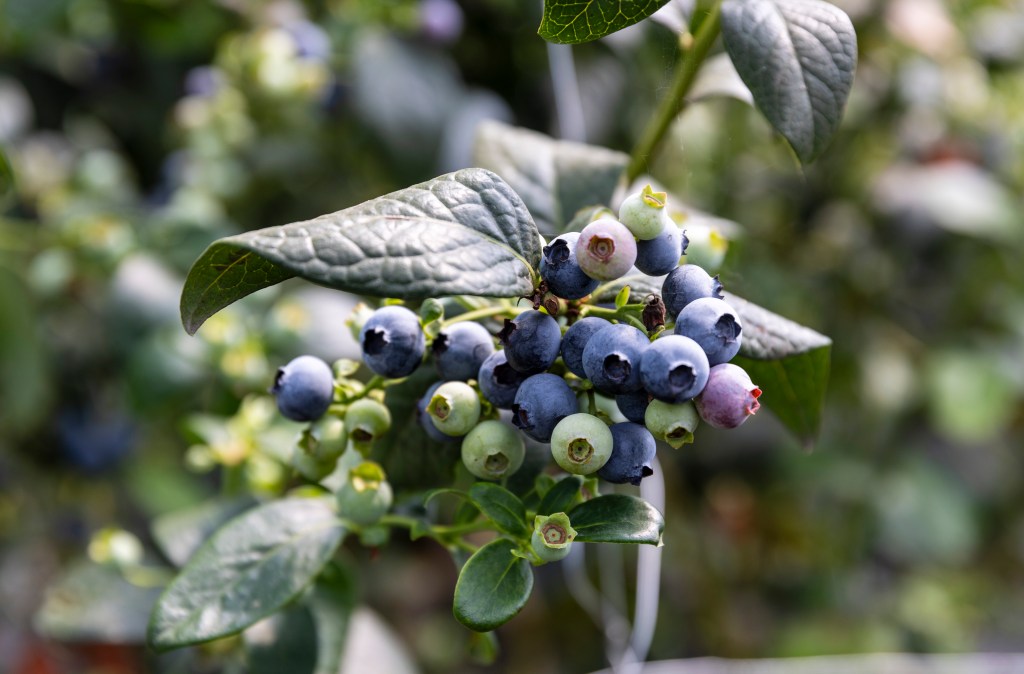
We also have a significant agricultural business and export to the US. We are particularly strong in blueberries, where we have a joint venture with a Chilean producer that is the second-largest cultivator of blueberries in the world. Logistics is another key business, with cutting-edge industrial warehouses. Finally, we have an energy division that produces and sells solar energy equipment here and in Peru.

AES: Explain ‘the strategy of the sun’
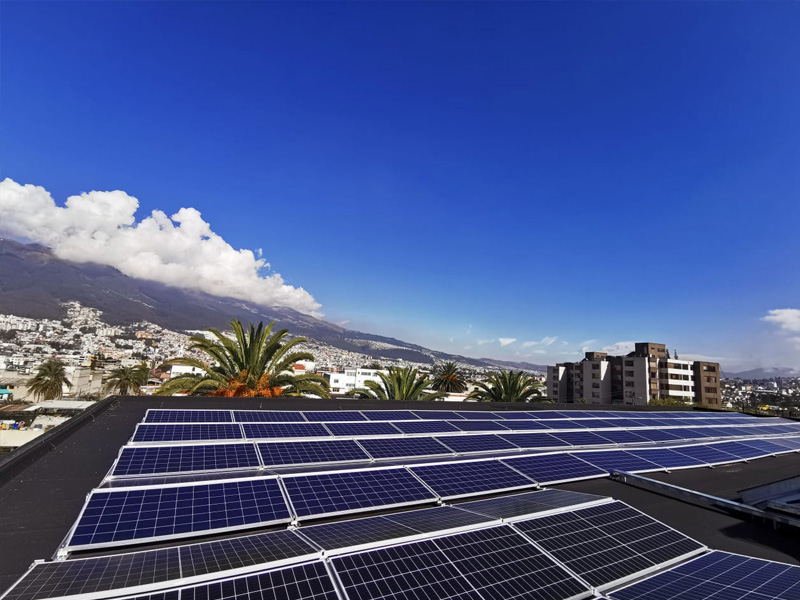
RS: The strategy began in 1997 when we benefited from the sale of a major cell phone business. The shareholders decided that all the proceeds should be reinvested in Ecuador. We hired McKinsey and their analysis concluded that we should focus on the areas where Ecuador has a natural competitive advantage. The most obvious is the sun, because our position on the Equator gives us 12 hours of sunlight all year around.
Agriculture was an evident area to focus on, as productionruns year-round. Tourism is another, because again, travellers can visit any time of year. Solar energy is another clear beneficiary. If we build enough solar energy, we can also use that electricity, coupled with our abundant water supply, to create green hydrogen, which will become an important fuel for the energy transition.
A newer area for us is aerospace. Planet earth’s spin is much faster at the Equator than in the northern and southern hemispheres. So, Ecuador is a great place to launch space rockets: they begin with a higher spin velocity than if launched from anywhere else. We are making incursions in this business by first building antennas to receive data from satellites passing over the Equator because, traditionally, most antennas have been built in the northern hemisphere or southern hemisphere, so there is a real need for more along the Equator.
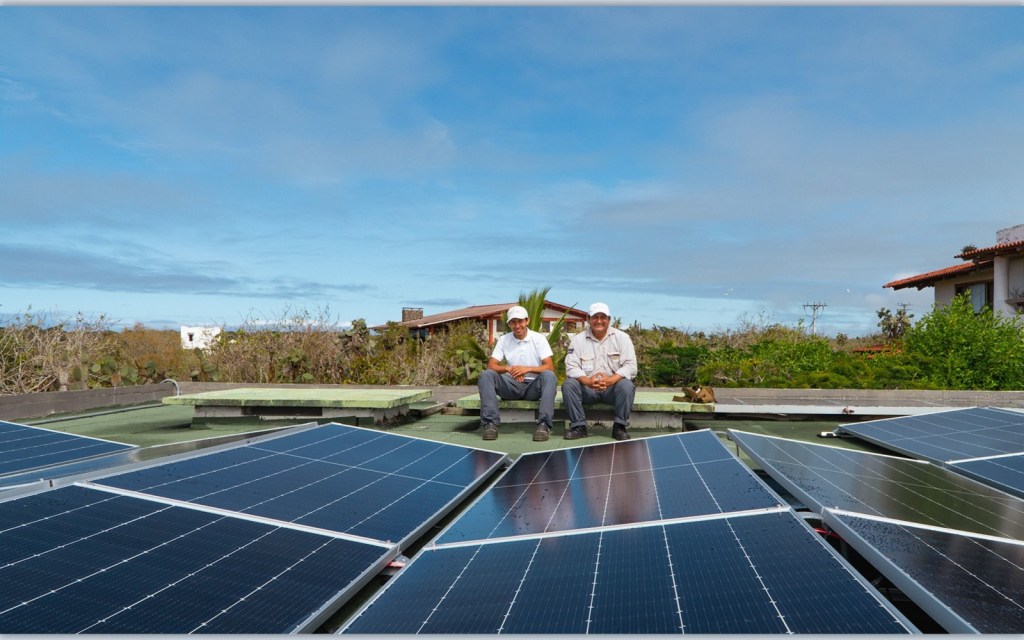
“If we build enough solar energy, we can also use that electricity, coupled with our abundant water supply, to create green hydrogen, which will become an important fuel for the energy transition.”
AES: Are the UK and Ecuador natural partners?
RS: Yes, in my time with Grupo Futuro I have seen many positive ways that the two countries can interact. Gardening has a special place in UK culture, which is why British people are so happy when they come to Ecuador – because our country is like one giant Kew Botanical Gardens.
The relationship began with Charles Darwin and the Galapagos back in 1835 and it has only strengthened over time. But I must stress it always comes back to Ecuador’s unique natural characteristics. We have the highest mountains of any equatorial country, which means we have truly unique climatic conditions. Our agricultural produce, for example, is highly regarded and highly competitive due to the Sun’s beneficial impact on its aroma, taste and colour.
Ecuador urgently needs to reduce its debt, so that the government can invest more in basic services for its poorest people. The best way for us to achieve this is through debt-for-nature swaps — such as the one the nation signed in 2023 to benefit the Galapagos Islands’ Marine Reserve. Ecuador gives the world so much in terms of biodiversity that I think it’s a fair way for the world to pay for those natural services. The UK, as a global financial centre, could play a key role in facilitating more such swaps, that benefit both the fight against climate change and millions of Ecuadorians.
AES: Tell us about how Fundación Futuro is helping to protect the Choco Andino.
RS: We have a programme called NFTree, an innovative financial mechanism for conservation and restoration in the Andean Choco. NFTree assists individuals and businesses in measuring their carbon footprints and provides them with the opportunity to purchase tokens equivalent to the amount of carbon they wish to remove.
The funds generated from these purchases are placed into a trust fund and later distributed as conservation incentives to the owners of forest remnants, ensuring that the preservation of these critical ecosystems is financially rewarding. NFTree ensures that funds reach smallholders and their communities through a Decentralized Autonomous Organization (DAO). This decentralized model facilitates community governance and capital distribution among land stewarding communities in rural Ecuador. The DAO initiative broadens the application of NFTree tokens to include distributed networks of smallholder farmers and land stewards, enabling a diverse array of restoration and regeneration projects that complement traditional conservation efforts.
In effect it’s a type of private voluntary carbon market. Companies and people who want to provide climate contributions beyond their reduction of emissions buy the NFTrees to ensure their C02 footprint is removed from the atmosphere forever. The programme has been recognised by the Inter-American Development Bank LAB as an efficient way to protect the environment and support local communities.

AES: Does responsible mining have a role in Ecuador?
RS: In some cases, yes. Lundin Gold, for example, is a Canadian company with a large gold mine in Ecuador. It doesn’t mine in the traditional dirty way or with a huge open pit that scars the landscape. Instead, they have an underground mine and they invest heavily to minimise the environmental impact on surrounding communities. The high concentration of gold in the ground there means the company is able to invest heavily in measures to protect the environment and local communities but the company still makes a profit for its shareholders, so it’s a good example of responsible mining.
Another interesting project is Cascabel, which is being developed by the Australian-British company, SolGold. It is a huge copper and gold project, and again the quality of the deposit allows for the highest environmental and community standards. This said, companies that develop mining projects that damage the environment and do not benefit communities are not welcome in Ecuador.
Ecuador faces challenges with electricity cuts, organised crime and political turmoil; why are you so optimistic about the country. The situation with organised crime is a real tragedy for the country and for the people who lose their lives. However, something that outsiders probably don’t realise is that most of the problem is restricted to inter-gang warfare in very specific areas of the country. Reports in the international media, the recent article in The Economist for example, are accurate in the details but give a misleading overall impression of this situation in the country, because most people in Ecuador never see this type of violence. I am hopeful that Ecuador will improve its security situation, but it will take time.
When it comes to electricity, we are facing cuts at present, but, in the medium to long- term, we will be fine. Our problem is that the bulk of our hydroelectric plants are on the eastern flanks of the Andes, so when that part of the country doesn’t receive rain, we don’t have power. However, by building new plants on the western side, where we have lots of hydropower potential, we will benefit from a more secure, diversified matrix. We also have incredible potential for geothermal and solar power. With solar the key is to be able to store the energy, and technological improvements are being made with storage.
“Gardening has a special place in UK culture, which is why British people are so happy when they come to Ecuador – because our country is like one giant Kew Botanical Gardens.”
– Roque Sevilla

When it comes to the political situation, I have to be frank and admit that it hasn’t been very stable in Ecuador over the last few years. That said, if you look around the world – even to the UK – you see that we’ve had a lot of political instability since the pandemic. Ecuador has elections coming up soon and hopefully whoever is elected does their best to improve the country. But, as we’ve seen from our neighbours Peru, your economy can still grow, even during political upheaval. And what the Ecuadorian people most need now is economic growth. Poor Ecuadorians need jobs, decent schools and hospitals – and economic growth can pay for all of that.
Learn more about Fundación Futuro
All photos provided courtesy of Grupo Futuro and Fundación Futuro, unless otherwise credited
 angloecuadoriansociety.org